

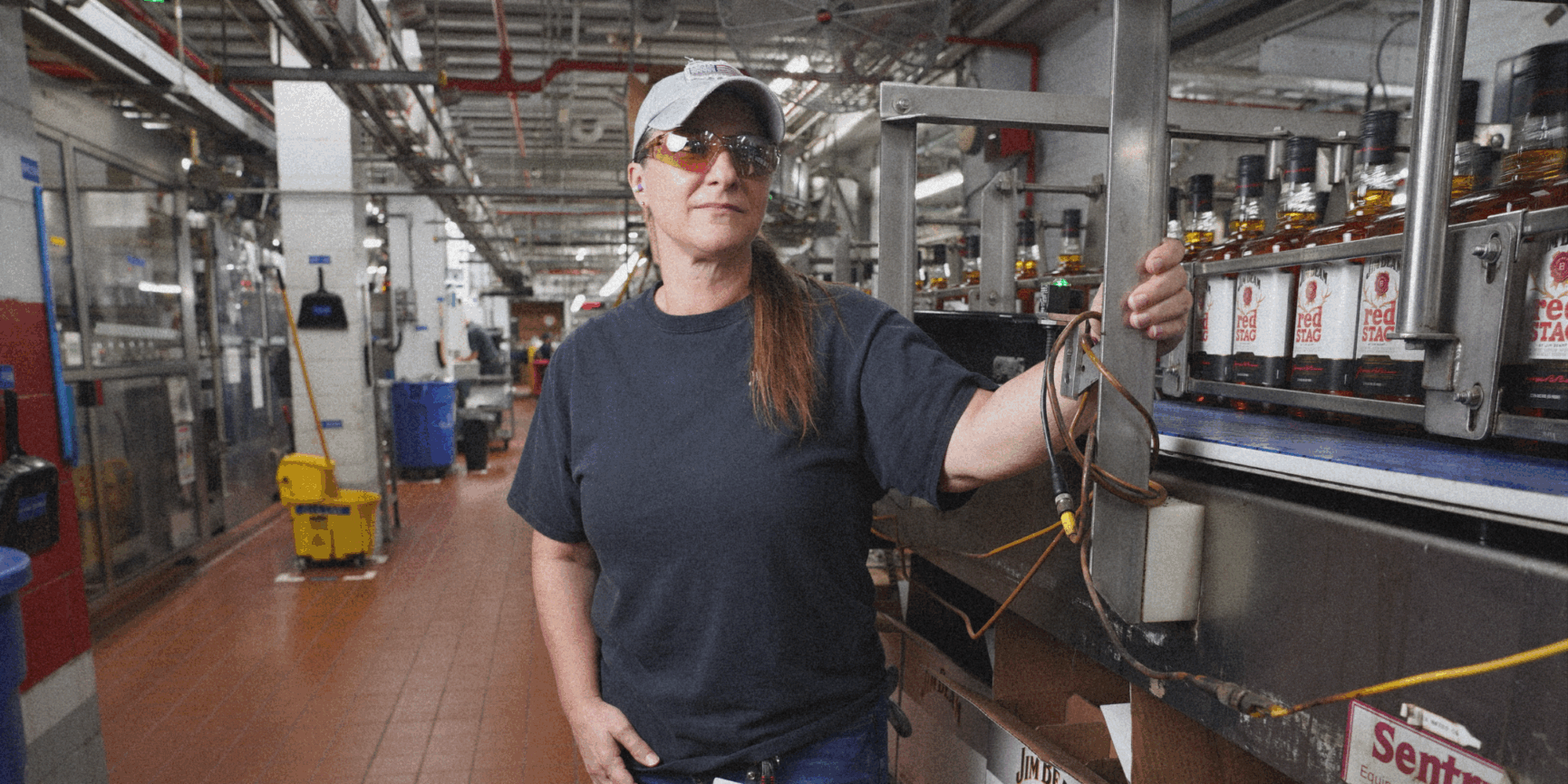
Meatpacking and food processing workers have some of the most dangerous jobs in the world – suffering from injury and illness rates far above the national average and higher than all other manufacturing jobs combined. Retail and healthcare workers also face many hazards, notably ergonomic issues and workplace violence. Despite this, workers can have tremendous power by understanding the rules and laws that protect them and exercising their right to unionize to make their workplaces safer.
Safety and Health Committees / Joint Labor – Management Committees
What are they and how do they help keep workers safe?
Workers can exercise their power through safety and health committees (also called safety committees) or joint labor-management committees. These committees provide the structure for workers and management to work together to identify hazards and collaboratively produce solutions or controls to correct them. Many dangerous work conditions can be eliminated or mitigated, and occupational deaths, injuries and illnesses prevented.
What can the committees do at your workplace?
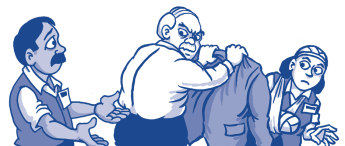
To be effective, safety committees should have the right to conduct a safety inspection of the entire workplace. This can be done with management as part of a joint labor-management safety committee, or can involve the Union, who has the power to conduct the inspections. The safety committee should conduct periodic inspections (at least once per month), and each member of the committee should look over his or her own work area every day and communicate to other workers about any hazardous conditions.
How can the committees hold employers accountable?
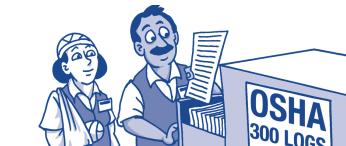
Your employer has the responsibility under the law to provide a safe and healthy workplace for all workers and to fix unsafe conditions. The committee should regularly check the injury and illness records, including the OSHA 300 Log that management is required to keep and provide to any employee who requests it. These logs will help identify high-hazard areas and job tasks.
Union Stewards
Union stewards serve as advocates and voices for their coworkers through education and action. They are responsible for being workers’ point of contact if they have any work-related health and safety concerns.
Stewards educate other workers by:
- Sharing the negative effects of safety programs that blame workers when they get hurt and discourage reporting of injuries and illnesses
- Posting health and safety information on workplace bulletin boards and in union newsletters
- Sharing their union contract’s safety and health language, resources for resolving safety issues, and their rights under the Occupational Safety and Health Act
- Promoting the importance of reporting all injuries and illnesses, including early signs and symptoms of illnesses such as sore hands, wrists, and shoulders
- Calling attention to the location of Safety Data Sheets and other pertinent information
- Educating management and local union leaders about:
- Safety and health hazards in the workplace
- Ways to improve conditions and redesign the job
Stewards take action by:
- Conducting walkthroughs
- Surveying coworkers
- Reporting hazards to management
- Monitoring management’s response to correcting hazards
- Request and analyze OSHA 300 Logs and other related records
- Conduct union investigations of workplace incidents
- Attending union meetings and educational seminars
- Filing OSHA complaints in coordination with the union
- Accompanying OSHA inspectors who visit the workplace
- Brainstorming ideas for future health and safety contract language
- Accompanying coworkers who seek medical attention as a support system
- Communicating with and/or serving joint labor-management safety and health committees
- Helping to organize and attend safety committee meetings
Unionize Your Workplace
Are you and your coworkers ready to negotiate for bigger raises, stronger benefits, and better lives? If so, the steps to start a union with UFCW are simple.